Michigan Anti-Cruelty Society Sets Sail for Animals
- The event brings together shelter supporters, volunteers and community members.
- Funds help support adoptions, pet food assistance and outreach efforts across Detroit.
DETROIT — The Michigan Anti-Cruelty Society is preparing for its annual boat cruise fundraiser this fall along the Detroit River, bringing together supporters, volunteers and animal advocates to raise money for the shelter’s animal care, adoption services and community outreach programs.
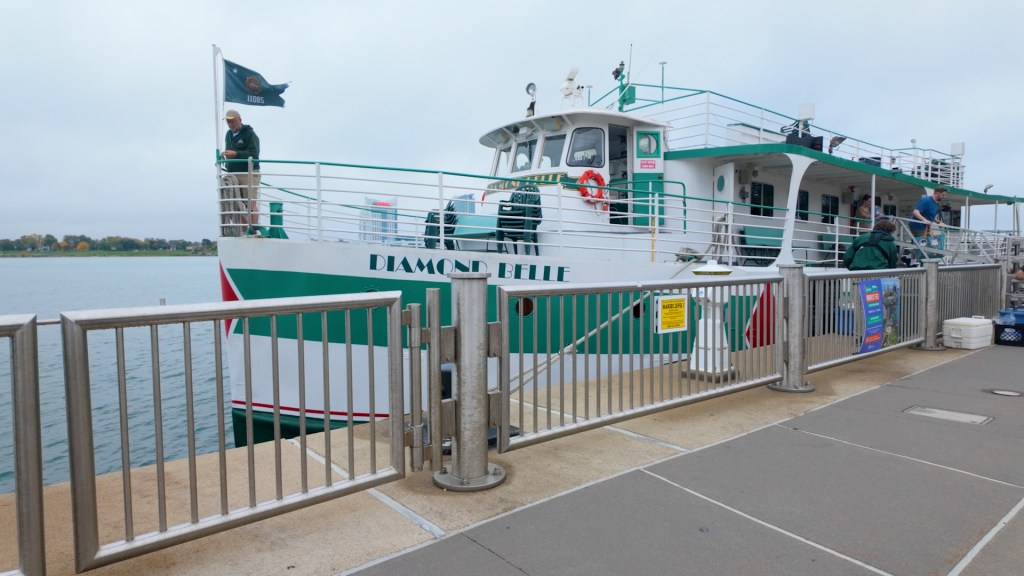
The fundraiser, hosted aboard a Diamond Jack River Tours vessel on the Detroit Riverfront, features food, drinks, raffle baskets and scenic views of both the American and Canadian shorelines. Proceeds from the event help support the nonprofit organization’s mission of caring for animals while providing resources that help pet owners keep their pets in their homes.
https://diamondjack.comThe Michigan Anti-Cruelty Society serves thousands of animals each year and has expanded its efforts beyond adoption services by offering pet food assistance, community outreach and educational programs throughout Detroit. Shelter leaders say these services are becoming increasingly important as many families face financial challenges.
“We wouldn’t be here without the community,” said Teressa LaCrosse, executive director of the Michigan Anti-Cruelty Society. “They help fund everything! Without donations, there is no Michigan Anti-Cruelty Society.”
LaCrosse said the shelter has evolved from a traditional open-admission model into a managed-intake shelter that prioritizes helping people keep their pets whenever possible. Through food assistance programs and community outreach efforts, the organization works to reduce the number of animals entering shelters while still providing care for those in need.
According to shelter manager Mary Brinker, the facility cares for approximately 40 animals at any given time and serves about 2,500 animals annually. Daily operations involve feeding, cleaning and providing enrichment activities designed to keep animals healthy and engaged while they await adoption.
“Animals come to the shelter mainly because they don’t have resources in the community,” Brinker said. “A lot of people are struggling. The economy plays a huge factor.”
Brinker said funding remains one of the organization’s greatest needs. Additional support would allow the shelter to expand outreach programs, grow its services and potentially increase its capacity to care for more animals in the future.
Volunteers and foster families also play a critical role in helping the shelter operate. Volunteers assist with walking dogs, socializing animals and supporting daily operations, while foster homes provide temporary care for animals recovering from injuries or awaiting adoption.
Adoptions
The annual boat cruise fundraiser began through a partnership between the shelter and Diamond Jack River Tours. Lara Cameron, a manager at Diamond Jack River Tours and a volunteer with the Michigan Anti-Cruelty Society, helped connect the two organizations and continues to assist with planning the event each year.
“I hope people continue to support it,” Cameron said. “They get to enjoy a boat ride while supporting the shelter at the same time.”
The three-hour cruise offers attendees views of Belle Isle, the Ambassador Bridge and the Gordie Howe International Bridge while providing an opportunity to socialize with fellow supporters of the shelter. Guests can also participate in raffles featuring donated gift baskets that help generate additional funds for the organization.
Cameron said the event has become a unique tradition that allows community members to support a meaningful cause while enjoying one of Detroit’s most recognizable attractions.
For shelter employees, every donation directly impacts the animals they care for each day. Brinker said the most rewarding moments often come from seeing frightened or injured animals receive the attention they need before finding permanent homes.
“Every time we feed a hungry dog, every time we can console an injured cat, that’s the stuff that we do here,” Brinker said.
As the shelter continues working to care for thousands of animals each year, officials say community support remains essential to its mission. For more information about the Michigan Anti-Cruelty Society, including opportunities to adopt, volunteer, foster or donate, visit MACSShelter.org.


Leave a Reply